
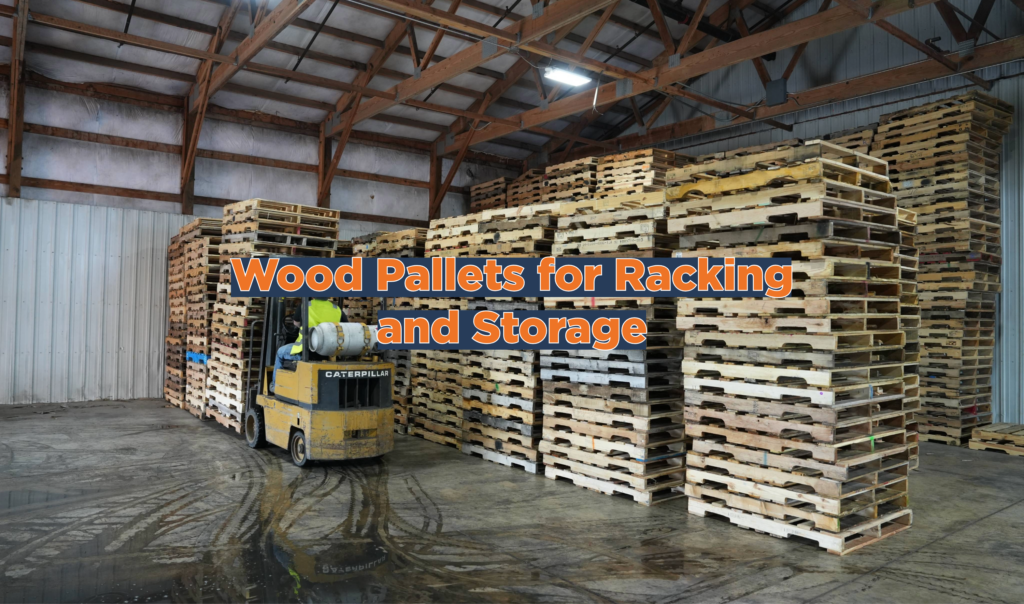
Using wood pallets safely and effectively in warehouse racking systems requires more than hanging a pallet on a beam. In 2026, many logistics teams still rely on wood pallets, but they face common challenges when pallets are used in rack environments without proper load understanding.
This article examines how wood pallets should be selected, tested, and maintained for safe racking use in US warehouses.
Understanding load ratings for wood pallets
Wood pallets typically have three main load considerations:
- Static load: Weight a pallet can support while not in motion
- Dynamic load: Weight a pallet can support while being moved
- Racking load: Weight a pallet can support when supported only on rack beams
Unlike engineered plastic pallets, wood pallets vary based on construction and condition, which makes load expectations more complex.
The U.S. Department of Labor and OSHA emphasize the importance of matching pallets to load conditions and inspecting them regularly.
Why racking load matters
In a selective rack environment, pallets support pallet beams without floor support under the load. Misjudging racking capacity can lead to:
- Pallet deflection
- Load instability
- Product damage
- Unexpected rack engagement
Warehouses using wood pallets for racking should test pallet performance under anticipated weights and adjust storage plans accordingly.
How wood pallet construction affects performance
Wood pallet strength depends on factors such as:
- Board quality
- Nail type and pattern
- Block or stringer design
- Moisture content
High quality lumber and better joinery improve static and dynamic strength. However, variability still exists between batches and suppliers, which is why inspection is key.
Inspection as a safety practice
OSHA and safety associations recommend routine inspection and removal of damaged pallets from racking applications. Signs of structural compromise can include:
- Cracked or split deck boards
- Loose or popped nails
- Warped boards
- Visible deformation under load
Consistent inspection reduces risk and extends pallet life.
Load documentation and communication
Warehouse managers should clearly document:
- Maximum pallet load based on construction
- Rack compatibility
- Expected usage cycles
- Inspection frequency
- Repair criteria
Documented standards help alignment between supervisors, operators, and safety teams.
Real US warehouse scenario
In a multi-tier rack system handling consumer goods, variations in pallet condition can mean the difference between smooth intake and unexpected load shift. Facilities that treat wood pallet inspection as part of racking SOPs see fewer load deviations and safety incidents.