In today’s fast-moving supply chain, consistency is key. For companies managing multiple warehouses or distribution centers, even small variations in pallet design can lead to inefficiencies, safety concerns, and unnecessary costs.
One of the most effective ways to streamline operations is by standardizing pallet sizes and specifications across all locations. By creating a unified approach to pallet usage, businesses can eliminate variation, improve flow, and achieve measurable savings throughout the supply chain.
Why Pallet Standardization Matters
When each facility operates with different pallet dimensions, materials, or load capacities, the lack of consistency quickly multiplies into operational issues.
Some of the most common challenges include:
- Storage inefficiencies caused by uneven stacking and poor racking utilization
- Shipping complications when pallets don’t align with trailer or container space
- Equipment compatibility issues with conveyors, forklifts, and automated systems
- Increased costs from repackaging, damaged goods, or rejected loads
Standardizing pallet specifications helps resolve these pain points. It creates a common foundation that simplifies logistics, improves warehouse performance, and reduces downtime caused by mismatched materials.
How Standardization Creates Efficiency
A consistent pallet program supports efficiency in several key areas:
- Warehouse Operations
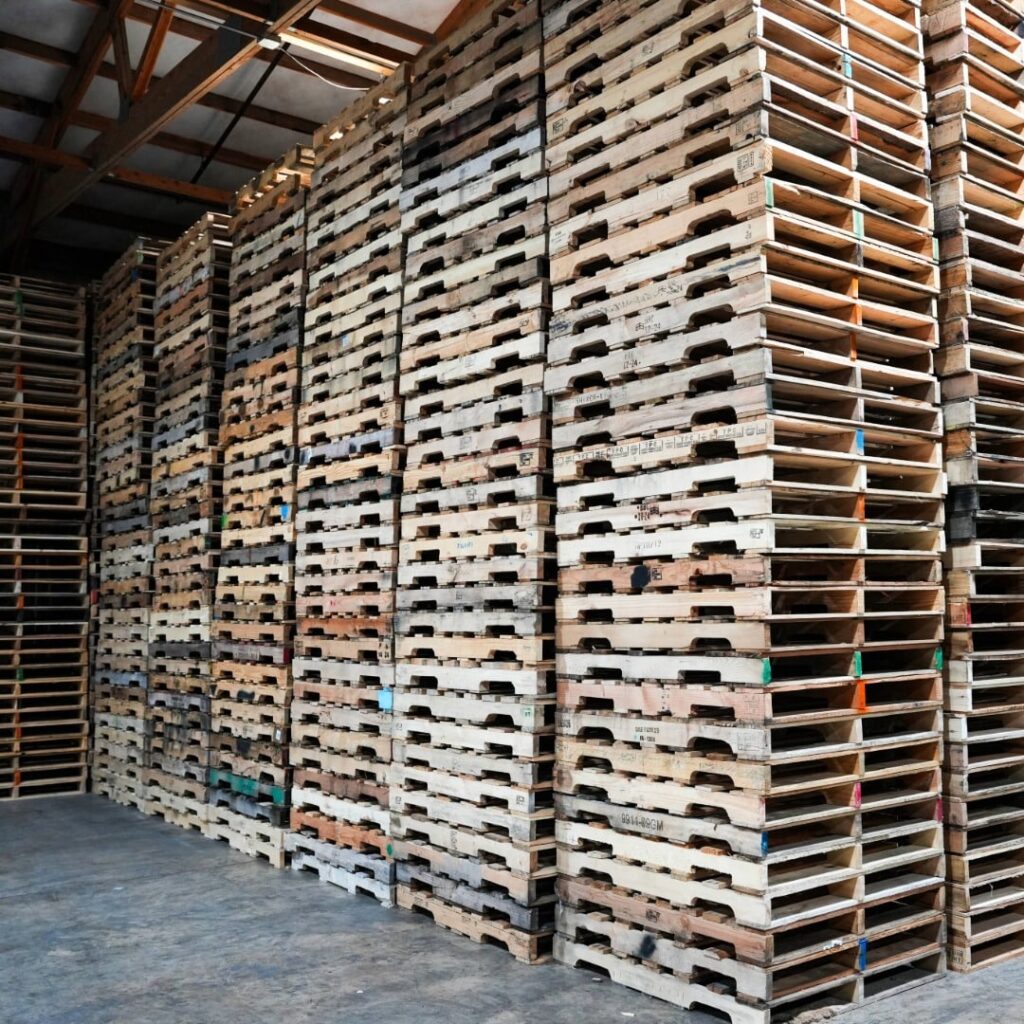
Uniform pallet dimensions make it easier to plan layouts, stack products safely, and optimize storage capacity. This uniformity allows teams to move product faster and more predictably.
- Transportation and Handling
Standard sizes make loading and unloading more efficient and reduce the risk of product damage during transit. Trailer space can be maximized when all pallets share the same footprint.
- Automation and Equipment
Automated systems depend on precision. Standardized pallets ensure reliable performance on conveyors, lift trucks, and robotic handling systems — minimizing costly slowdowns or stoppages.
- Procurement and Cost Control
With a single approved pallet specification, companies can streamline purchasing, simplify vendor management, and ensure consistent quality across all suppliers.
The Results: A Stronger, More Predictable Supply Chain
When pallet programs are standardized, businesses benefit from:
- Predictable performance across all locations
- Improved safety through stable, uniform loads
- Simplified maintenance of handling equipment
- Reduced waste and improved sustainability metrics
- Scalable systems that grow smoothly with business needs
These advantages make standardization one of the most practical — and often overlooked — strategies for strengthening supply chain reliability.
A Foundation for Growth
Wood pallets remain the backbone of global logistics because of their strength, repairability, and adaptability. By unifying pallet specifications across all locations, companies lay the groundwork for better efficiency, consistent handling, and long-term savings.
In the end, standardization is more than a logistics decision — it’s an investment in operational harmony.
If your organization manages multiple locations and is struggling with inconsistent pallet specifications, let our experts help you define and implement a unified pallet program. We provide the reliable, standardized wood pallets you need to streamline operations and ensure predictable performance across your entire network. Call 309-734-8817 today to talk to a Wood Pallet Pro about standardization and consistency.